Results
Constipation on GLP-1s: why it happens and what actually helps
The same slowdown that curbs your appetite can jam up your digestion. Here's how to keep things moving.
Medical note. This article is for general information and is not a substitute for advice from your own clinician. GLP-1 medications are prescription drugs with real risks. Sources are listed at the end.
Key takeaways
- GLP-1s slow how fast food moves through your gut, which commonly causes constipation.
- It often eases as your body adjusts and is usually worst after a dose increase.
- Fluids, fiber, and daily movement are the first-line fixes and genuinely help most people.
- Severe pain, vomiting, or no bowel movement for days is a reason to call your clinician, not wait it out.
Nausea gets all the attention, but constipation is one of the most common and most quietly miserable side effects of GLP-1 drugs. The good news: it usually has a clear cause, it often settles down, and the fixes are mostly simple and cheap. Here's what's going on and what tends to work.
Why GLP-1s back you up
The same mechanism that helps you eat less is the one causing the problem. GLP-1 drugs slow gastric emptying and generally slow the movement of food through your digestive tract.1 Food lingers longer, which keeps you full — and also means your colon pulls more water out of the stool as it sits, leaving things harder and slower to pass. On top of that, when you're eating much less, there's simply less bulk moving through, and if your fluid intake drops too, the whole system gets sluggish. It's not a sign something's wrong; it's the drug doing its job in a way that has a downside.
When it's usually worst
For a lot of people, digestive side effects peak after starting the drug and after each dose increase, then ease as the body adjusts.1 That pattern is worth knowing because it tells you when to be proactive: ramp up your fluids and fiber before and during a dose change rather than waiting until you're already stuck. This is the same adjustment window that drives nausea, and the two often travel together — our guide to managing nausea covers the overlap.
What actually helps
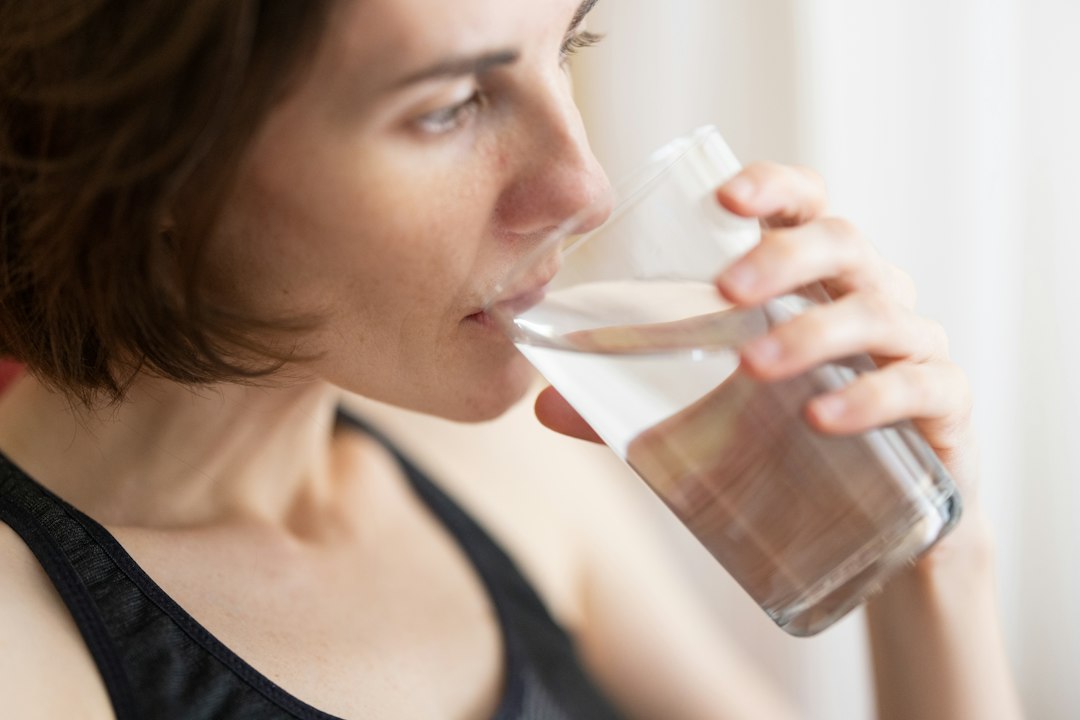
Start with the basics, because they work for most people. Drink water consistently through the day, not just at meals — the slowdown means you need to be deliberate about it. Build in fiber from vegetables, fruit, whole grains, beans, and the like; if food volume is low because your appetite is gone, a fiber supplement can fill the gap, but add it gradually so you don't trade constipation for gas and cramping. Move your body daily, even a walk, because physical activity genuinely helps the gut keep things going. And don't ignore the urge when it comes. Our page on exercising on a GLP-1 has more on fitting in movement when your energy is lower.
The protein and fiber balancing act
There's a wrinkle specific to GLP-1 users. You're told to prioritize protein to protect muscle while you lose weight, which is correct and important — but a diet that's heavy on protein and light on produce and fiber can make constipation worse. The fix isn't to drop the protein; it's to make sure fiber-rich plants and fluids come along with it. Think protein and vegetables, not protein instead of them. Our guide to protecting muscle explains the protein side; just pair it with fiber and water and you'll avoid the trap.
Over-the-counter help, used sensibly
When lifestyle steps aren't enough, over-the-counter options exist — things like fiber supplements, osmotic laxatives, or stool softeners. These can be reasonable, but they're not all interchangeable and they're not meant for indefinite daily use without guidance, so it's worth running your plan past a pharmacist or clinician, especially if you're taking other medications or have other health conditions.2 A pharmacist is an underused, free resource for exactly this question.
When to stop managing and call someone
Most GLP-1 constipation is annoying, not dangerous. But there are limits. Severe abdominal pain, persistent vomiting, a hard swollen belly, or going many days with no bowel movement at all can point to something more serious than ordinary constipation, and those are reasons to contact your clinician promptly rather than reach for another laxative.2 Trust your gut here, literally — if it feels like more than sluggishness, get it checked.
The bottom line
Constipation on a GLP-1 is common, it comes from the same slowdown that curbs your appetite, and it's usually manageable with water, fiber, and movement — especially if you get ahead of it around dose increases. Keep the protein up but bring fiber and fluids along with it. Use OTC help thoughtfully, and don't tough out severe symptoms. Most people get through this with a few boring habits, not a prescription change.
Sources
- FDA prescribing information for semaglutide and tirzepatide products — gastrointestinal side effects.
- National Institutes of Health / NIDDK — guidance on constipation, fiber, fluids, and when to seek care.
This article is informational and not medical advice. See our editorial standards.