Basics
Microdosing GLP-1: what it means and what we don't know
A buzzword with real appeal and real unknowns. Here's the unhyped version.
Medical note. This article is for general information and is not a substitute for advice from your own clinician. GLP-1 medications are prescription drugs with real risks. Sources are listed at the end.
Key takeaways
- "Microdosing" means taking doses below the standard approved schedule — it's not an official term.
- People try it to cut side effects, save money, or stay on a maintenance-style low dose.
- It isn't well studied, and no one can promise it works the way the full doses did in trials.
- If you're going to do anything off-label, do it with a prescriber, not a forum thread.
"Microdosing" has jumped from psychedelics to GLP-1 drugs, and it's everywhere in weight-loss corners of the internet. The idea sounds reasonable: take a smaller amount, get fewer side effects, spend less money. Some of that logic holds up. But there's a gap between a plausible idea and a proven one, and this is squarely in the gap.
What people mean by it
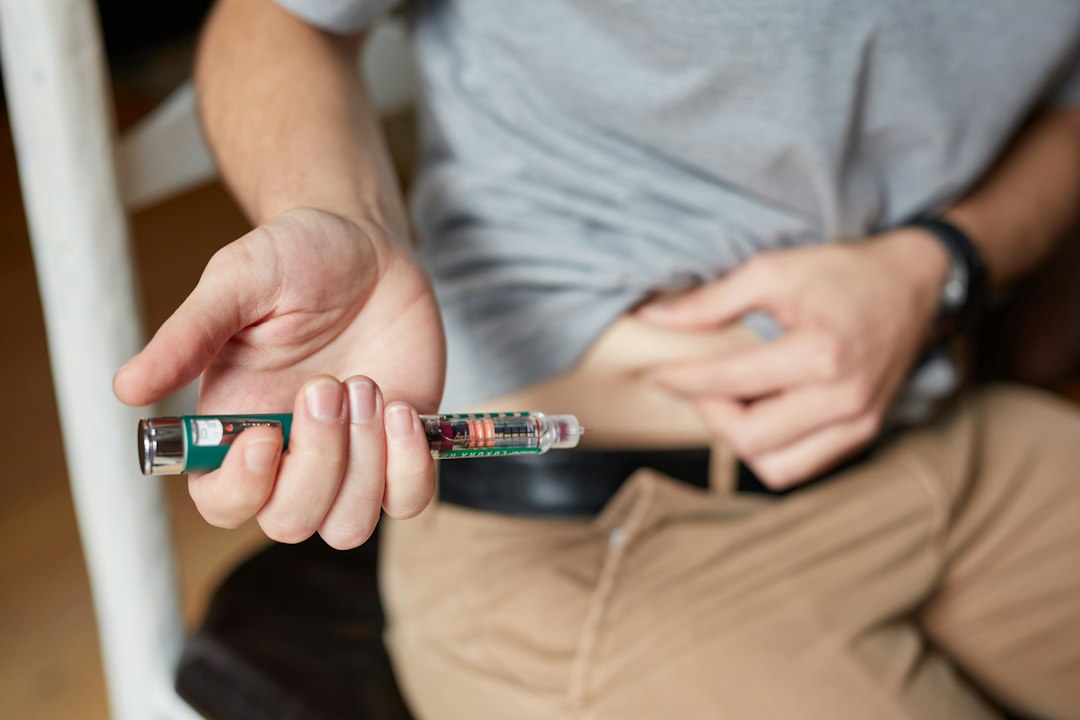
There's no official medical definition of microdosing a GLP-1. In practice, people use it to describe taking doses below the standard titration schedule the drugs were approved on — sometimes staying at a low starting dose indefinitely, sometimes using amounts even smaller than the usual starting point.1 Because the approved labeling lays out a specific step-up schedule toward target doses, anything deliberately kept below that is off-label by definition. We describe the standard schedule in how dosing schedules work.
Why people try it
The motivations are easy to understand. Some people want the appetite benefit without the harsher nausea that can come at higher doses — and dose does influence side effects, as we cover in GLP-1 side effects. Others are trying to stretch an expensive medication further to save money. And some are looking for a gentle maintenance dose after they've reached a goal weight, hoping to keep appetite in check without the full regimen. Each of those goals is reasonable on its face.
What we don't actually know
Here's the uncomfortable part. The weight-loss evidence that makes these drugs worth taking comes from studies of the standard doses.2 We don't have the same quality of evidence telling us how well much-lower doses work for weight, who they're right for, or how they perform over the long run. "It worked for someone on Reddit" is not data. The appeal is real; the proof isn't there yet.
The practical risks
Microdosing often means measuring your own doses from compounded vials, which introduces room for error and depends heavily on the quality and labeling of what you were sent. Compounded products aren't FDA-approved, and sourcing varies a lot — see compounded vs brand. Doing your own math on an unproven dose, with a product of uncertain concentration, is exactly the kind of situation where a small mistake matters.
The honest bottom line
Microdosing isn't crazy, and it isn't proven. It's a popular workaround to real problems — side effects and cost — built on evidence that hasn't caught up to the hype. If you want to try a lower-dose approach, the move is to raise it with a prescriber who can supervise it, not to freelance it from a social feed. And if cost is your real driver, our guide to the best price may solve the problem more safely than cutting your dose.
Sources
- FDA prescribing information for semaglutide and tirzepatide products — approved dosing schedules.
- Peer-reviewed clinical trials of GLP-1 therapy conducted at standard, titrated doses (e.g., STEP and SURMOUNT programs).
- FDA guidance on compounded drug products and their non-approved status.
This article is informational and not medical advice. See our editorial standards.