Basics
GLP-1s started as diabetes drugs — here's how weight loss came later
These weren't designed as diet drugs. Understanding their diabetes roots explains how they work and why the labels differ.
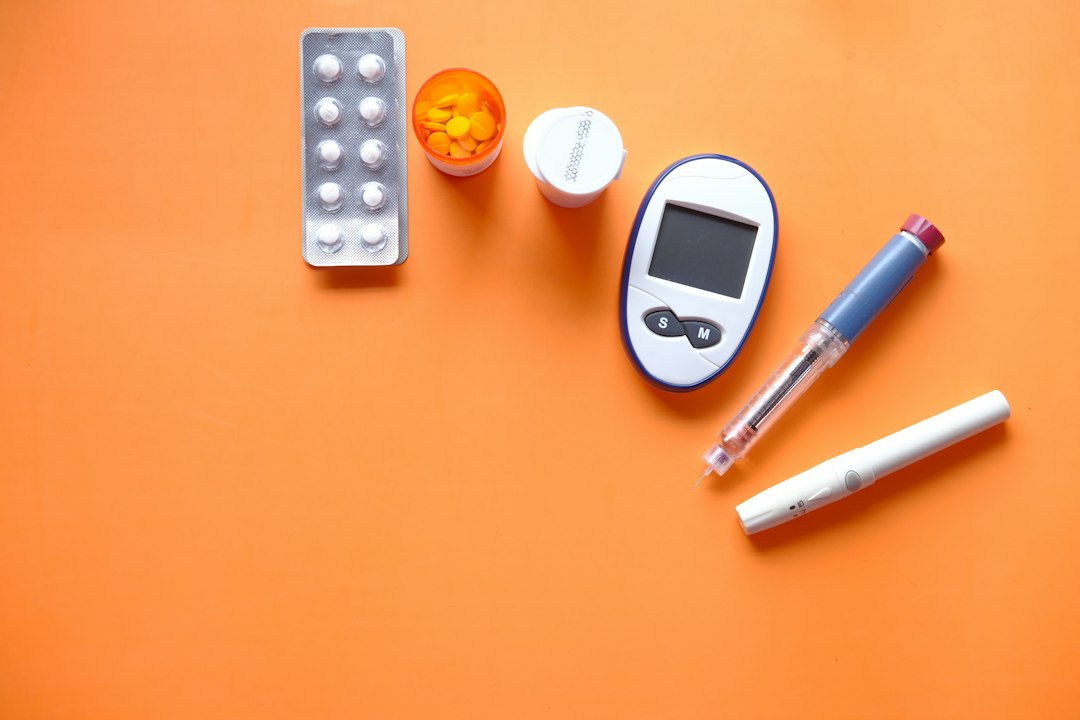
Medical note. This article is for general information and is not a substitute for advice from your own clinician. GLP-1 medications are prescription drugs with real risks. Sources are listed at the end.
Key takeaways
- GLP-1 drugs were first approved to lower blood sugar in type 2 diabetes, years before weight loss.
- Researchers noticed patients were also losing weight, which led to higher-dose versions made for obesity.
- Ozempic and Mounjaro carry diabetes labels; Wegovy and Zepbound are the same molecules approved for weight.
- If you have diabetes, the drug choice and monitoring are different — this is a clinician's call, not a checkout button.
The weight-loss headlines came second. The first job these drugs ever did was manage blood sugar, and that history isn't trivia — it explains why there are two names for nearly identical medicines, why doses differ, and why your medical history changes the whole conversation.
Where these drugs came from
GLP-1 is a hormone your gut releases after you eat. One of its jobs is to prompt the pancreas to release insulin when blood sugar rises.1 Scientists studying type 2 diabetes wanted to borrow that effect. The problem was that natural GLP-1 breaks down in minutes, so they engineered longer-lasting versions. Semaglutide, the ingredient in Ozempic, was approved to improve blood sugar control in adults with type 2 diabetes.2 Weight loss wasn't the headline. It was the side effect everyone started paying attention to.
The weight loss nobody planned for
In diabetes trials, people taking GLP-1 drugs kept losing weight — not a little, and not by accident. Because the same hormone that nudges insulin also acts on appetite centers in the brain and slows stomach emptying, patients ate less without trying hard. Drugmakers ran new, larger trials at higher doses aimed specifically at obesity. That's how we ended up with Wegovy (higher-dose semaglutide) and, later, Zepbound (tirzepatide). If you want the full picture of what these drugs do in the body, our explainer on how GLP-1 medications work walks through the mechanism.
Why there are two names for the same molecule
This confuses almost everyone. A drug company can't market one product for two different conditions under one name, so the FDA approves separate brands with separate labels, doses, and prescribing information.2 Ozempic is the diabetes brand of semaglutide; Wegovy is the weight-management brand. Tirzepatide follows the same pattern with Mounjaro and Zepbound. The practical fallout: insurance often covers the diabetes version readily and fights the weight-loss version, which is a big reason people turn to telehealth and compounded options. We get into that mess in our guide to insurance coverage.
What's different if you actually have diabetes
If you have type 2 diabetes, a GLP-1 isn't just a weight tool — it's part of your blood sugar management, and that changes the stakes. Doses are titrated with your glucose in mind, not only your appetite. The bigger concern is other diabetes medications: GLP-1s combined with insulin or sulfonylureas can push blood sugar too low, so your clinician may adjust those.3 This is exactly the kind of thing that shouldn't be sorted out through a quick online form. It belongs in a real conversation with someone who can see your labs and your full medication list. Our list of questions to ask your clinician is a good starting point.
One group these drugs aren't for
GLP-1 medications are studied and approved in type 2 diabetes, not type 1. People with type 1 don't make enough insulin at all, and GLP-1 drugs work by improving how the body uses insulin it still produces — a different problem.1 There's also a specific caution: these drugs carry a boxed warning related to a rare type of thyroid tumor seen in animal studies, and they're not for people with certain personal or family histories. If any of that might apply to you, read our page on who shouldn't take GLP-1s before you go further.
The honest bottom line
These are serious drugs with a serious medical history, not diet pills that happen to need a prescription. They came from diabetes research, they still treat diabetes, and the weight-loss use rides on the same biology. If you're healthy and heavy, the weight-loss versions may be a reasonable option. If you have diabetes, the drug is doing two jobs at once and needs closer monitoring. Either way, the right first step is a clinician who knows your history — not a website promising a number on the scale.
Sources
- National Institutes of Health / NIDDK — overview of incretin hormones, GLP-1, and type 2 diabetes.
- FDA prescribing information for semaglutide products (Ozempic, Wegovy) and tirzepatide products (Mounjaro, Zepbound).
- FDA labeling and NIH guidance on GLP-1 use with insulin and sulfonylureas, including hypoglycemia risk.
This article is informational and not medical advice. See our editorial standards.